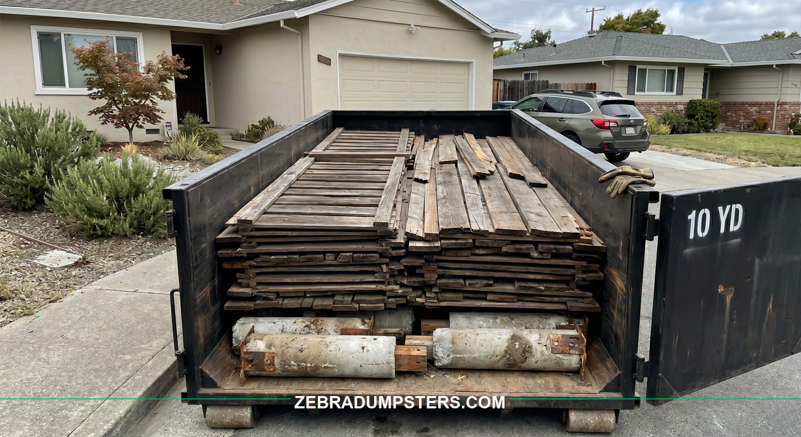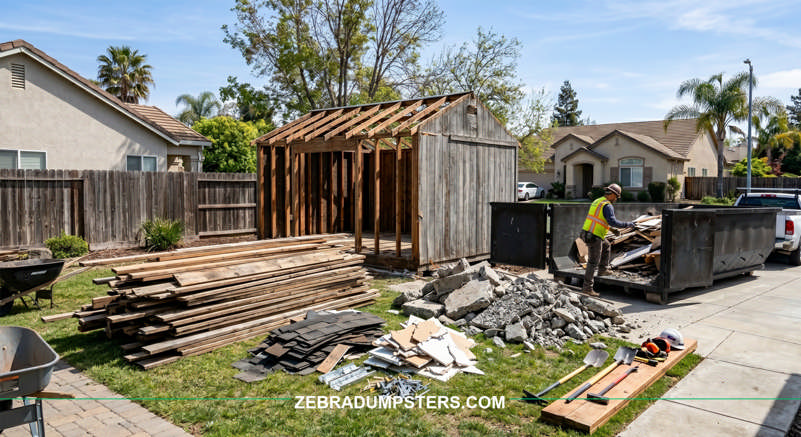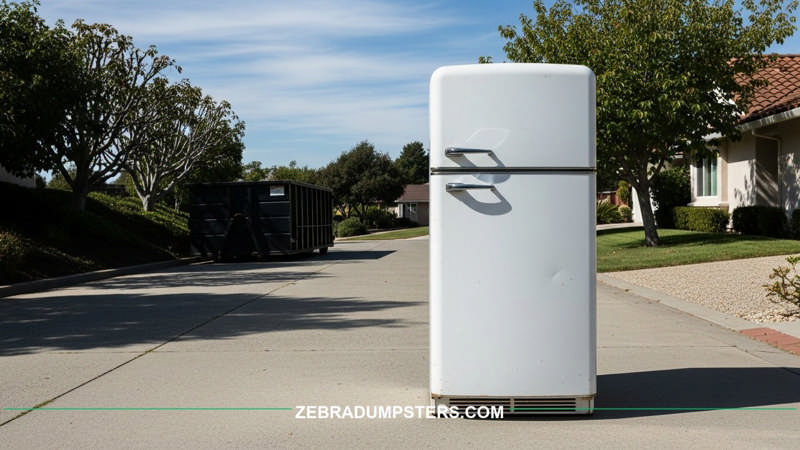
The old refrigerator has been sitting in the garage for two years, and now that the remodel is happening, it finally has to go. The instinct is to wheel it to the curb or heave it into the rental dumpster with everything else. That one move can turn a routine cleanout into a fine, because a fridge is not the same as a broken bookshelf in the eyes of California disposal law.
After eight years of Bay Area hauls and more than 15,000 customer cleanouts, the appliance question is one of the top three we field on the booking line. Sorting these units the right way at the start of a project costs less than fixing it after the truck arrives. Here is the working playbook from our San Jose, Hayward, and Burlingame yards.
Listen to this article
--:-- · narrated
The Refrigerant Rule That Trips People Up
The single most important fact here is that any appliance containing refrigerant cannot legally go to landfill until that refrigerant is removed by a certified technician. Refrigerant gases are a regulated greenhouse pollutant, and both federal rules and California law require professional recovery before the unit is scrapped or buried.
That rule covers more machines than most people expect. Refrigerators and freezers are the obvious ones, but window and portable air conditioners, dehumidifiers, and wine coolers all carry refrigerant too. Drop any of those into a general dumpster without documentation and the load can get flagged on arrival at the transfer station, which means a reclassification fee on top of the original rental.
Here is the catch for homeowners. You usually cannot pull the refrigerant yourself, because doing it legally requires EPA Section 608 certification and the right recovery equipment. The practical path is to have these units handled separately, either by a certified appliance recycler or by your hauler if they offer the service, and to keep the non-refrigerant appliances for the dumpster.
Which Appliances Are Scrap Metal, Not Trash
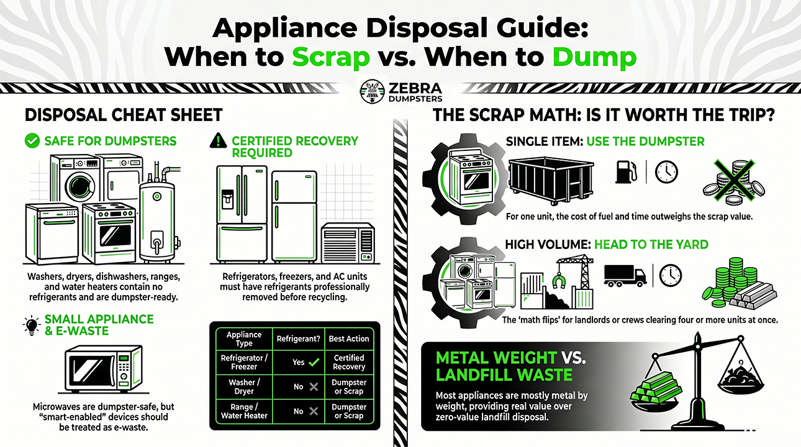
What surprises most people is how much of an old appliance is recyclable steel, aluminum, and copper. A washer, a dryer, a water heater, or a range is mostly metal by weight, and that metal has real value at a scrap yard rather than zero value in a landfill.
| Appliance | Refrigerant? | Best Handling |
| Refrigerator / freezer | Yes | Certified recovery, then scrap |
| Window / portable AC, dehumidifier | Yes | Certified recovery, then scrap |
| Washer, dryer, dishwasher | No | Dumpster or scrap metal |
| Range, oven, water heater | No | Dumpster or scrap metal |
| Microwave, small appliances | No | Dumpster (e-waste if smart-enabled) |
The reality is that separating the metal-heavy units is only worth the effort when you have several of them or a short drive to a yard. For a single washer in the middle of a full garage cleanout, the time and fuel rarely beat just loading it into the dumpster you already have on site. For a landlord clearing four units at once, the math flips and the scrap run pays off.
How Appliance Fees Actually Land on the Invoice
Per-item appliance handling is one of the line items that catches first-time renters by surprise. The fees are not random, and they vary by city. Here is the way our pricing reads on the rate sheet.
| Item Type | San Jose | Other Bay Area Cities |
| Mattress, sofa, box spring | $25 each | $75 each |
| Fridge, washer, dryer, A/C, range, cooktop, dishwasher, microwave, water heater, central heater | $25 each | $75 each |
| TV, computer, monitor, printer, vacuum (electronics) | $25 each | $100 each |
The fee on top of the dumpster covers the recycling-center charge that comes back to us once the load is sorted. Bay Area centers run different per-item rates than the San Jose facility we route into by default, which is why the out-of-San-Jose number is higher. Owners booking a dumpster rental in Oakland see the same $75 mattress and $100 electronics rate the East Bay facilities pass through.
For homeowners staring at a cleanout with five or six appliances, this table is the difference between a $125 add and a $475 add. Worth a two-minute conversation at booking.
How Appliances Fit Into a Dumpster Load
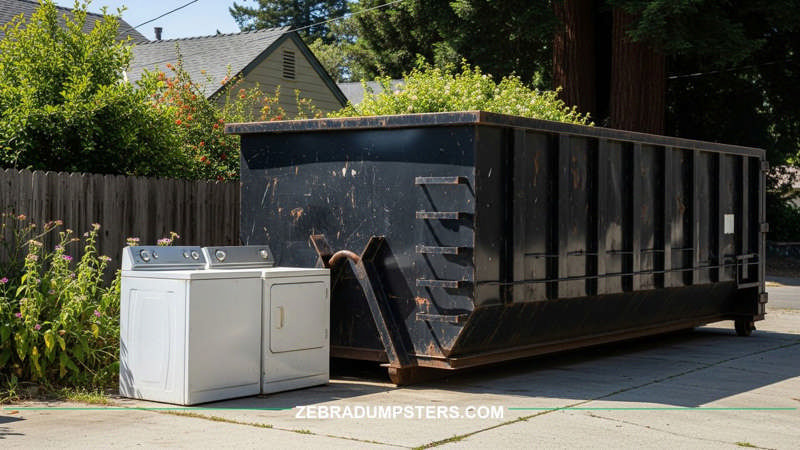
Once you have set the refrigerant units aside, the rest of your appliances are fair game for a roll-off, with one thing to watch: weight. Appliances are dense. A standard electric dryer runs 100 to 125 pounds, a washer 150 to 200, and a steel range or a drained water heater can push past 150. Stack several into a bin already loaded with renovation debris and the tonnage climbs faster than the box looks full.
That density is why appliance-heavy cleanouts pair well with a mid-size container rather than the smallest one. Homeowners booking a dumpster rental in San Jose for a kitchen or laundry tear-out usually land on a 15 or 20-yard so the appliances and the cabinetry both fit under the weight allowance. The 20-yard is the most popular size we put on the road, and the $550 entry price covers a 7-day rental with two tons included.
A quick tip from the field saves a lot of straining. Load heavy appliances first, flat on the floor of the dumpster, before the lighter debris goes on top. It keeps the center of gravity low, makes the most of the cubic space, and means nobody is wrestling a water heater over a pile at the end of the day.
The Mistakes That Cost Real Money
One mistake we see repeatedly is treating a refrigerator like ordinary bulky trash. Toss a charged fridge into a general load and the cost is not just the reclassification fee, it can include a separate handling charge for the refrigerant the facility now has to recover. A unit that would have cost nothing extra to handle correctly becomes one of the priciest items in the bin.
The bigger issue is timing. People discover the refrigerant rule on haul day, when the truck is already there and the fridge is already loaded. At that point the clean options are gone. Sorting appliances at the start of the project, while there is still time to schedule a certified pickup, is what keeps the whole job on budget.
That is where things change once you ask about appliances during the booking call. A hauler that services your city daily can tell you on the spot which of your units it will take, which need certified recovery first, and whether a scrap separation is worth your time. Contractors clearing a dumpster rental in Santa Clara build that two-minute conversation into every appliance-heavy job.
Clearing Appliances the Clean Way
The smoothest appliance cleanouts follow a simple order. Pull the refrigerant units aside for certified handling, decide whether the remaining metal is worth a scrap run or better off in the bin, then load the dumpster heavy-first so the weight sits low and even.
If you are unsure whether a specific unit carries refrigerant, check the nameplate on the back or underside for a refrigerant type like R-134a or R-410a. When in doubt, set it aside and ask rather than assume, since the cost of guessing wrong lands entirely on the side of tossing it too soon.
Zebra Dumpsters is a family-owned operation serving the South Bay, East Bay, and Peninsula since 2017, with yards in San Jose, Hayward, and Burlingame. Customers have left more than 150 five-star reviews on the company's appliance and renovation hauls. Call (408) 495-3006 from anywhere in the Bay Area to talk through your appliances, the right container size, and the city-specific per-item fees. Prices subject to change. Verify current rates at zebradumpsters.com/weight-limits-and-fees.
Frequently Asked Questions
Can you put a refrigerator in a dumpster?
Not until the refrigerant is removed by a certified technician. Refrigerators, freezers, and other cooling appliances contain regulated refrigerant that California and federal law require to be professionally recovered before disposal. Once a unit has been certified empty, it can go in as scrap metal, but a charged fridge dropped into a general load risks a reclassification and handling fee.
Can washers and dryers go in a dumpster?
Yes. Washers, dryers, dishwashers, ranges, and water heaters carry no refrigerant, so they are fine for a roll-off dumpster. The per-item fee is $25 in San Jose and $75 in other Bay Area cities. If you have several appliances and a scrap yard nearby, recycling the metal is an option, but the dumpster is the simpler path for a single appliance inside a larger cleanout.
What about microwaves and window air conditioners?
A microwave has no refrigerant and can go in the dumpster, though a smart or networked model is better treated as e-waste. A window or portable air conditioner does contain refrigerant, so it falls under the same recovery rule as a refrigerator and needs certified handling before it is scrapped or landfilled.
Is it worth separating appliances as scrap metal?
It depends on volume. One washer in the middle of a full cleanout rarely justifies a separate scrap trip once you count time and fuel. Several metal-heavy units, or a landlord clearing multiple apartments, can make a scrap run worthwhile because steel and copper carry real value. For most single-home projects, loading them into the dumpster on site is the practical call.
How much weight do appliances add to a dumpster?
More than they look. A dryer runs about 100 to 125 pounds, a washer 150 to 200, and a steel range or drained water heater can top 150. A handful of appliances can absorb a meaningful share of a container's weight allowance, which is why appliance-heavy cleanouts usually call for a mid-size bin and a heavy-first loading order.