Dumpster Rental in Alameda: What the Work Looks Like
Alameda is an island city with an old housing stock: about 35 percent of its roughly 33,000 homes were built in 1939 or earlier, and nearly half went up between 1950 and 1989. Victorian-era Italianate, Stick and Queen Anne houses and the Craftsman bungalows that followed them fill streets in the East End, the Gold Coast and the West End, Fernside was sold as a subdivision in the 1920s, and Bay Farm Island filled in with townhomes and houses from the late 1960s on. The city's own housing plan says homes this age tend to need plumbing, roof and foundation work, and that is the steady work here, along with kitchens, baths and the clean-outs that come when a house changes hands.
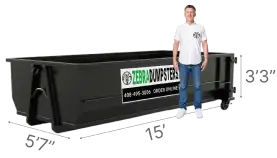
Alameda is also adding homes. Since 2017 its neighborhoods have produced about 60 accessory dwelling units a year, and larger projects are planned or underway at Alameda Marina, Boatworks, Encinal Terminals and Alameda Point. Island streets are a mix of narrow Victorian-era lots and wider post-war driveways, so the right bin size depends on which side of town the job is on.
Bay Farm Island is its own world. The Casitas began going up in 1966, the Islandia townhomes in 1971 and the first Harbor Bay Isle homes in 1978, so the Bay Farm side is now in its first big round of roof, siding and kitchen replacements, often inside homeowner associations with their own rules about where a container can sit. Newer neighborhoods such as Bayport, Alameda Landing and Marina Shores are young enough that most jobs there are garage clean-outs and backyard work rather than tear-outs.