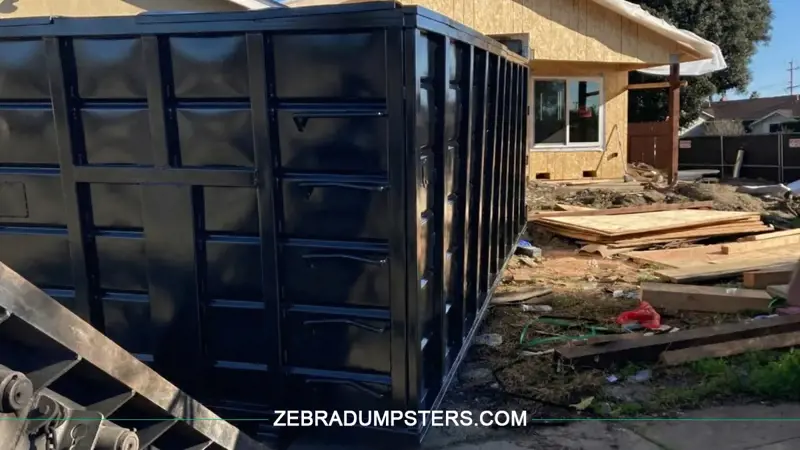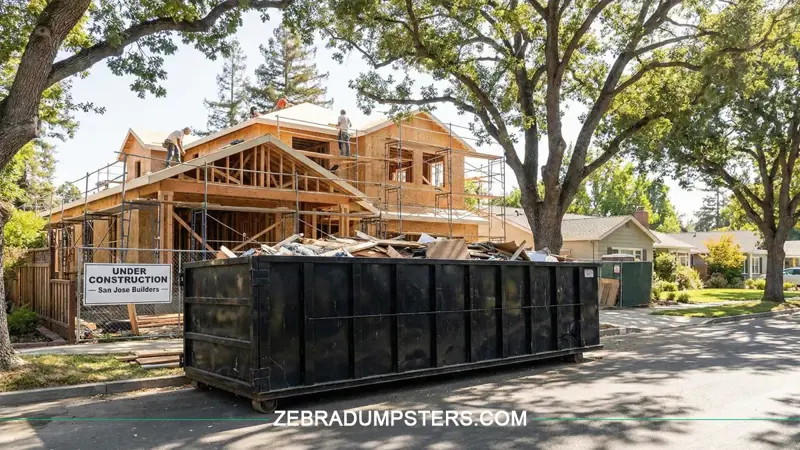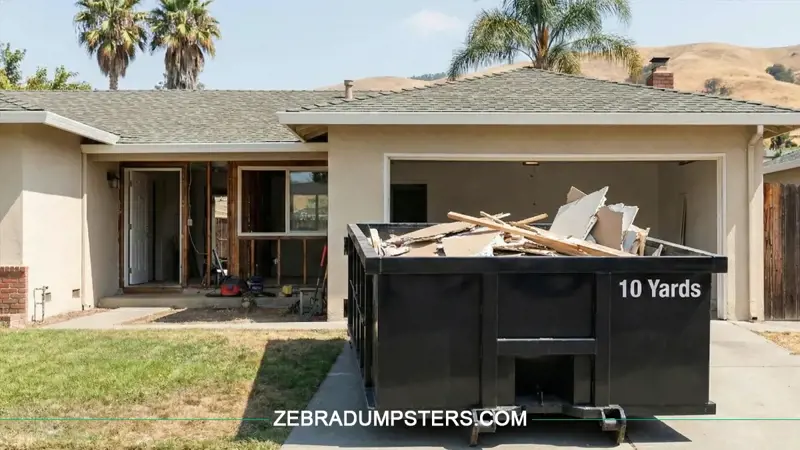
Starting a renovation, cleanup, or construction job is stressful enough; renting the wrong dumpster size shouldn’t make it worse. Whether your bin overflows halfway through or you overpay for a larger one than you need, choosing the right dumpster size is key.
If you’re renting a construction dumpster near me, Zebra Dumpsters delivers fast and offers every size from 5 yard dumpster rental to 40 yard dumpster rental, so you always get the right fit for your project.
How to Choose the Right Dumpster Size?
Picking a dumpster size isn’t random. Three factors guide the right choice:
1. Type of debris
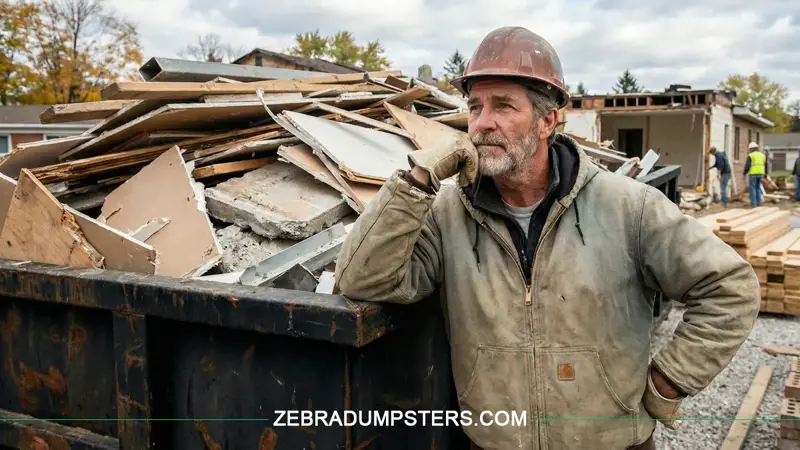
Construction waste, drywall, furniture, concrete, or yard waste all pack differently. Heavy materials weigh more than they fill.
2. Amount of debris
A small bathroom remodel produces far less debris than a full home renovation.
3. Delivery and placement constraints
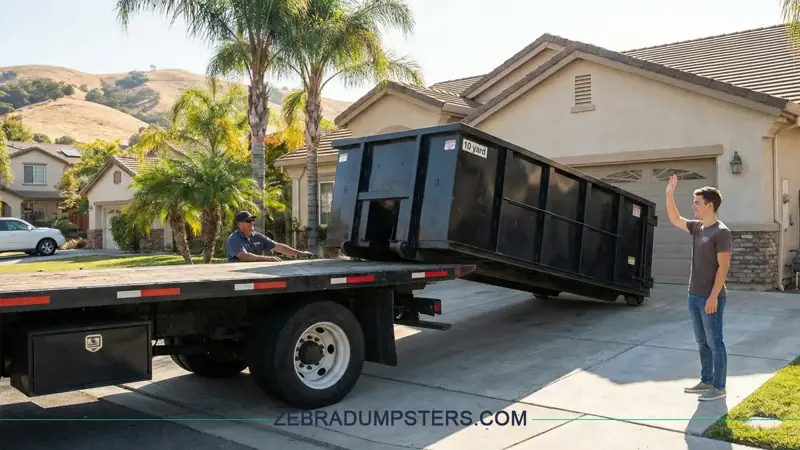
Driveway size, overhead clearance, and bin access matter. If the truck can’t safely drop off or pick up the dumpster, you’ll run into delays.
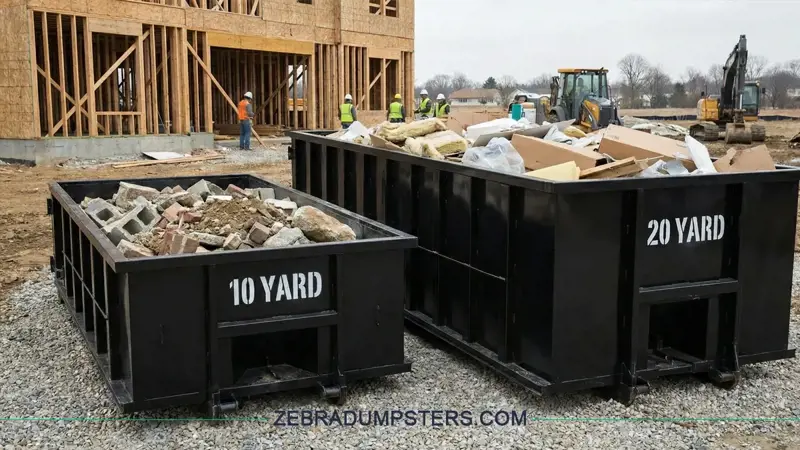
Here’s a simplified look at the roll-off dumpster sizes available at Zebra Dumpsters:
| Size | Type | Capacity | Best For |
| 5 yard | General | 0.5 tons | Small cleanouts, basement/garage |
| 5 yard | Inert | No weight limit | Dirt, brick, concrete |
| 10 yard | General | 1 ton | Small remodels, one-room cleanouts |
| 10 yard | Inert | No weight limit | Driveway removal, asphalt |
| 20 yard | General | 2 tons | Medium remodels, furniture removal |
| 30 yard | General | 3 tons | Large remodels, heavy cleanouts |
| 40 yard | General | 4 tons | Major construction jobs |
These sizes apply to our service areas throughout the Bay Area, including dumpster rental San Jose CA, and surrounding cities.
Do I Need a 20 or 30 Yard Dumpster?
This is one of the most common questions homeowners and contractors ask.
Choose a 20 yard dumpster rental if:
- You’re doing a mid-sized remodel (kitchen or kitchen + bathroom)
- Cleaning out a 2–3 bedroom home
- Removing furniture or appliances
- A 20 yard is big enough for most jobs while still easy to fit in most driveways.
Choose a 30 yard dumpster rental if:
- You’re doing a multi-room demolition
- Remodeling whole floors
- Handling major construction debris
If you’re between sizes, it’s often smarter to go bigger. Running out of room means swapping bins more time, more cost. But if your debris is mostly light and bulky (furniture, cabinets), 20 yards might still be perfect.
How Do I Calculate How Many Dumpsters I Need?
Sometimes one bin isn’t enough. Here’s how Zebra Dumpsters helps customers estimate:
1. Estimate total volume
Convert your debris into cubic yards. For example, 2–3 pickup truck loads roughly equal a 5–10 yard dumpster.
2. Consider weight limits
Large bins don’t always mean safe for heavy debris. Concrete, dirt, and roofing materials easily exceed weight limits.
3. Think about space
If your driveway or jobsite is small, two smaller dumpsters may fit better than one big one.
4. Add a safety margin
It’s always smart to give yourself 10–20% extra space.
Example:
If your project will produce around 12 pickup truck loads, that’s roughly two 20-yard dumpster rentals, or one 30-yard dumpster rental, depending on debris type.
If heavy materials dominate, multiple smaller bins are safer than a big one that could exceed weight limits.
Picked a size?
10-yard $472, 20-yard $630, 30-yard $786 in San Jose
Every price includes delivery, pickup, 7 days and the listed tonnage. The 20-yard is the one most projects end up with.
What Is the Most Popular Roll-Off Dumpster Size?
Across most residential projects, the 20 yard dumpster size is the most requested and most versatile option in the U.S. It fits comfortably in most driveways, handles a wide range of debris, and keeps costs reasonable.
Why it’s the “sweet spot”:
- Perfect for home remodels, cleanouts, and roofing jobs
- Easier placement than a 30 or 40 yard
- Cost-efficient for most mid-sized projects
That said:
- A 10-yard dumpster size works better for small projects
- A 30-yard dumpster or 40-yard dumpster is ideal for construction or large cleanouts
Breakdown of Each Dumpster Size
5 Yard Dumpster (General & Inert)
Best for small cleanouts or heavy debris like dirt and concrete. Easy placement in tight spaces.
10 Yard Dumpster Size (General & Inert)
Handles small remodels, yard waste, and light construction debris. Inert versions hold very heavy material like asphalt.
20 Yard Dumpster Size
Perfect for mid-sized renovations and household cleanouts. Fits most driveways and offers the best balance of size and price.
30 Yard Dumpster Size
Ideal for full home remodels, large demolition, and commercial projects.
40 Yard Dumpster Size
Best for major construction or large-scale commercial cleanouts.
Why Dumpster Size Really Matters
Choosing the wrong size can cost you:
- Too small: Overflow, delays, and extra rental fees
- Too big: Paying for unused space
- Weight issues: Heavy debris in large bins may exceed limits
- Placement problems: Oversized bins might not fit your site
Important Tips When Renting With Zebra Dumpsters
- Share your project details so we can recommend the best dumpster size
- Clear the placement area (driveway, yard, jobsite)
- Break down bulky items to maximize space
- Avoid mixing heavy and light debris
- Know your rental period, weight limits, and possible extra fees
- Contact us early if your project grows; bin swaps are available
Final Words
Choosing the right dumpster size doesn’t have to be guesswork. Whether you need a 5-yard dumpster for a small cleanup or a 40-yard dumpster for a construction project, Zebra Dumpsters helps you match dumpster size to your project scope, debris type, and location.
If you’re ready to book or want a free recommendation, reach out anytime, and we’ll get the right dumpster delivered so your project stays on track.
FAQ
1. How do I know which dumpster size is right for my project?
It depends on your debris type, estimated volume, and available space.
Share your project details, and Zebra Dumpsters will recommend the best size to avoid extra costs or running out of room.
2. What’s the difference between 5, 10, 20, 30, and 40-yard dumpsters?
- 5-yard: Small cleanouts, light debris
- 10-yard: Small projects or single rooms
- 20-yard: Medium renovations, multi-room cleanouts
- 30-yard: Whole-house remodels, larger projects
- 40-yard: Commercial construction and major demolition
3. Will the dumpster fit in my driveway?
10- and 20-yard dumpsters fit most driveways.
30- and 40-yard units need more space.
We confirm placement dimensions before delivery.
4. What items can’t go in the dumpster?
Prohibited items include paint, chemicals, batteries, tires, electronics, appliances with Freon, pressurized containers, and hazardous or biohazardous materials.
A full project-specific list is provided at booking.
5. How is dumpster rental cost calculated?
Pricing depends on dumpster size, location, rental duration, and final debris weight.
Zebra Dumpsters provides transparent pricing with no hidden fees.
6. What is the standard rental period?
The standard rental duration is 7 days.
Extensions are available if needed.
7. Do I need a permit for street placement?
Driveway placement usually doesn’t require a permit.
Street placement may require one; Zebra can guide you through the process.
8. What if my dumpster fills up early?
Just contact us. We can swap your dumpster or deliver an additional one quickly.
9. What is the weight limit for each dumpster?
- 5-yard (general): 0.5 tons
- 5-yard (inert): No weight limit (5–7 tons)
- 10-yard (general): 1 ton
- 10-yard (inert): No weight limit (10–15 tons)
- 20-yard: 2 tons
- 30-yard: 3 tons
- 40-yard: 4 tons
Overweight loads may incur additional fees.
10. Can I put dirt, concrete, or roofing inside?
Yes, but heavy materials should go into 5- or 10-yard inert dumpsters.
These are designed for concrete, dirt, brick, and other dense debris to avoid overage fees and ensure safe handling
Still between two sizes?
Call and describe the project, we will size it in two minutes
Going one size up is always cheaper than a second haul.